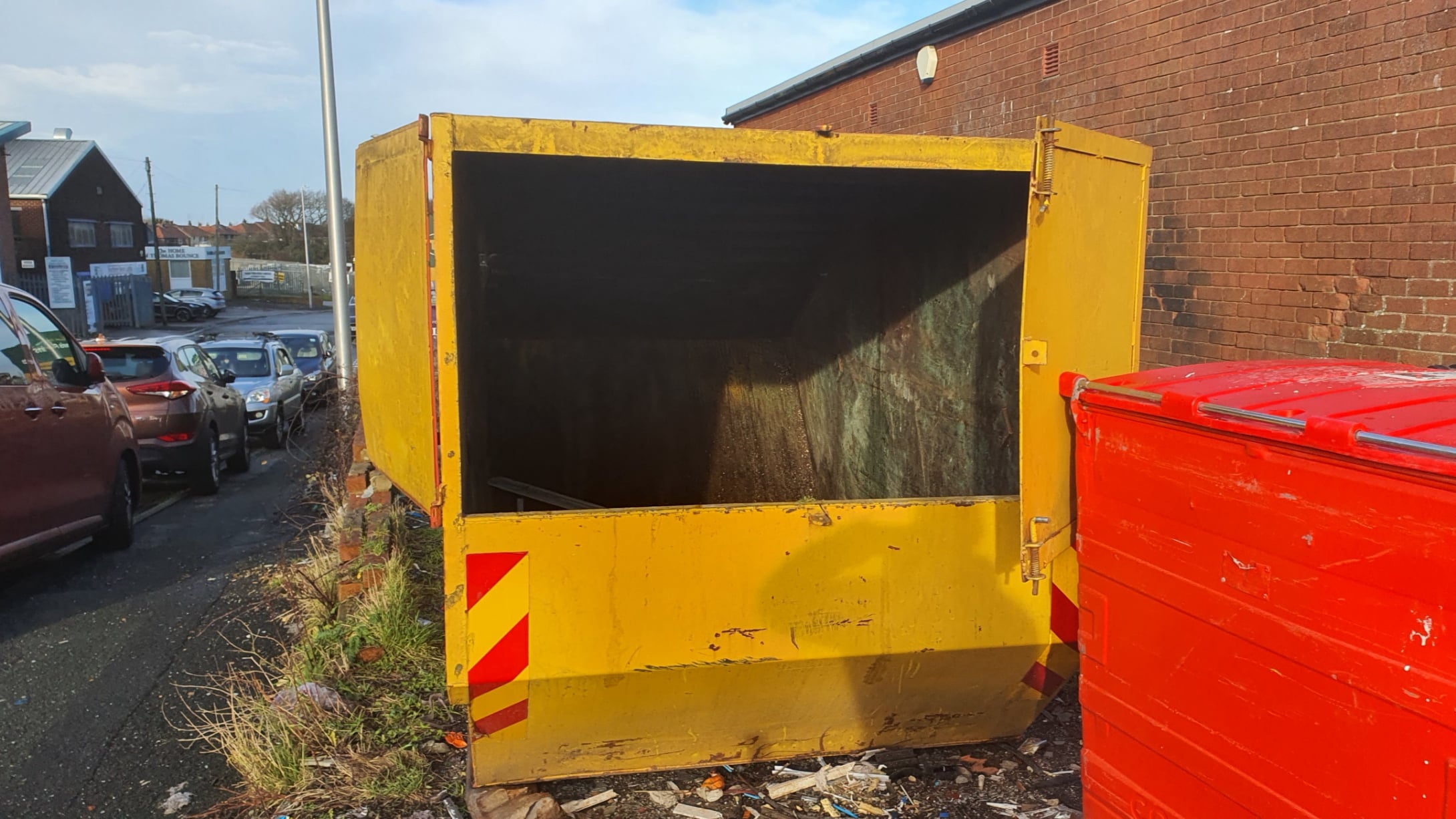
The Sad Truth of Recycling old Double Glazing Units

90% of window glass can be recycled yet it all goes to landfill!

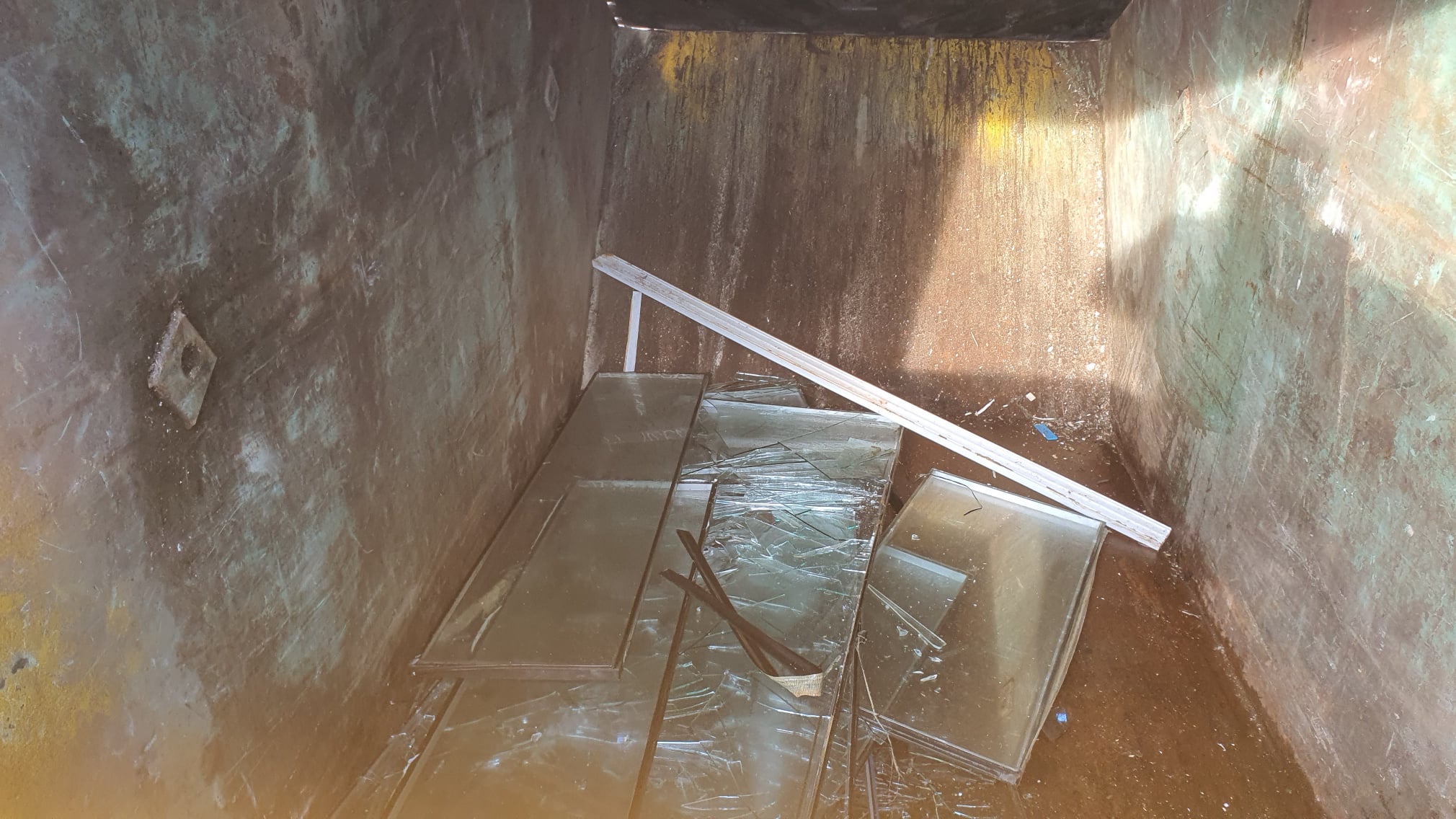
Waste double glazing placed in skip for landfill

Bet you thought glass was recycled - WRONG!

The glass from old double‑glazed windows is almost never recycled.
Across the UK, around 490,000 tons of failed double‑glazing units end up in landfill every year. Most of it is simply thrown into costly skips — meanwhile, the same installers are expected to put a single jam jar in the “correct” recycling bin.
Why isn’t it recycled?
Because double‑glazed units aren’t just “glass”. They’re a tightly bonded sandwich of:

  • Two different panes of glass

  • Sealants around the unit

  • Gas fillings

  • Metal spacers bars

  • Desiccants inside the spacer

  • Not Enough Profit

Waste double glazing placed in skip for landfill


Double glazing took off in the 1970s, and in more than 55 years there’s been virtually no progress in recycling these units.

For an industry that prides itself on being “energy efficient”, it’s shocking how little attention is paid to what happens at the end of a double glazing units life or the environment.

So next time you’re getting your windows replaced, remember this: the old glass that could be recycled into countless useful products is instead being buried in landfill, where it will sit for thousands of years.

Environmental benefits of Recycling Double Glazing


100% of window glass is recyclable, it also has a lower melting point than glass bottles making it cheaper to process due to the reduced energy costs.

By recycling window glass we could be saving thousands of tones of new virgin sand extraction.

Creates a circular economy around a material that is 100% recyclable

Glass takes an extraordinarily long time to break down in the ground — estimates range from around 4,000 years to over 1 million years, and in landfill conditions it may effectively never decompose.

Why glass lasts so long
Glass is made from silica, which is chemically very stable.

It is non‑biodegradable, meaning no microorganisms can break it down.

Landfills are dry, compacted, oxygen‑poor environments — conditions that slow decomposition even further.

Your old double‑glazing units won’t break down — they’ll sit in the ground for thousands to millions of years, leaching wasted resources, taking up precious landfill space, and contributing to the growing environmental burden we’re leaving behind for future generations.

Every unit buried is a permanent scar on the landscape — glass simply doesn’t decompose.”

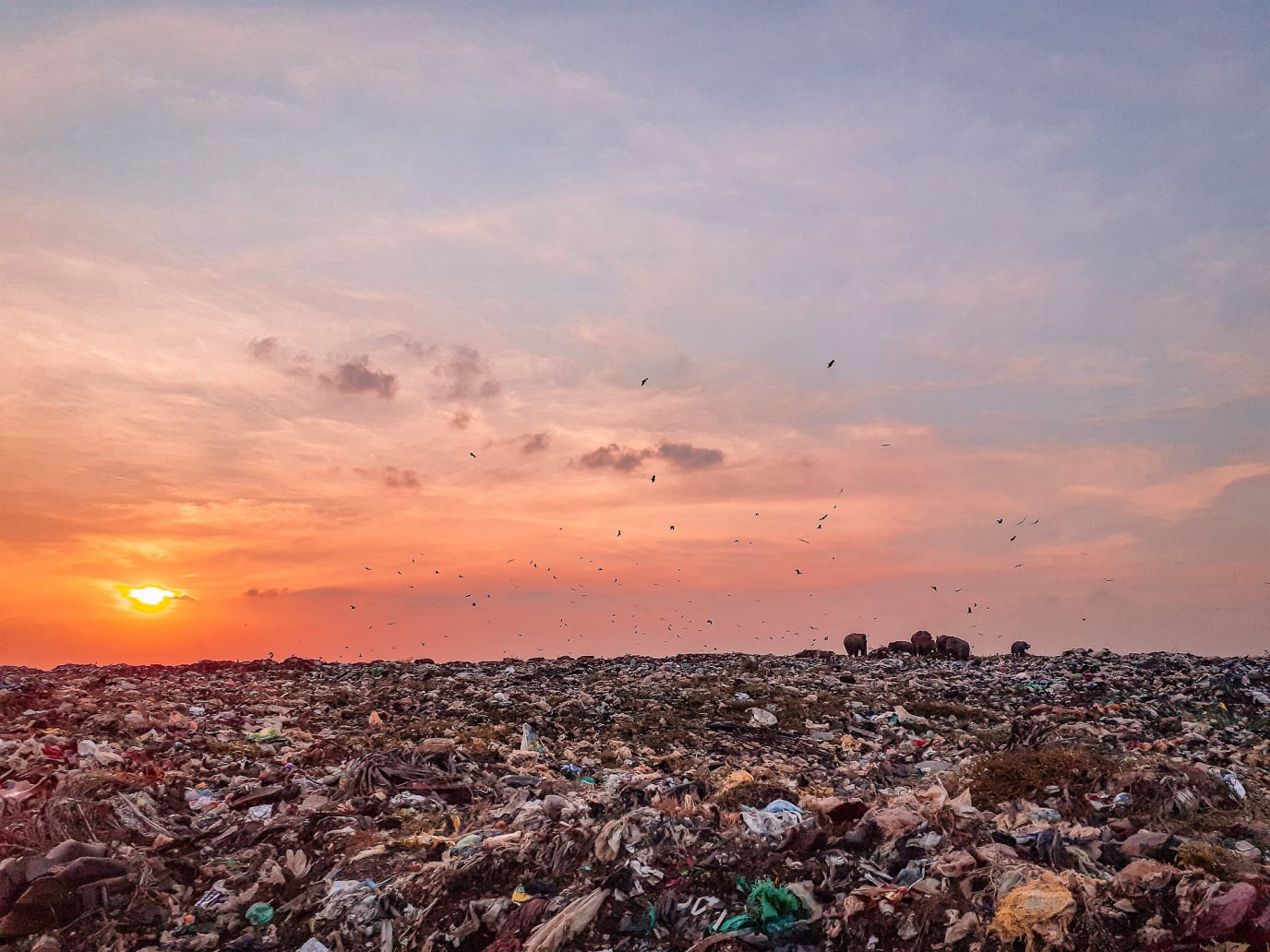
Landfills are overflowing, yet perfectly recyclable glass is still being dumped instead of reused.

When recyclable materials are buried, we’re not just wasting resources — we’re accelerating climate and ecological damage.

Recycling glass saves energy, reduces carbon emissions, and protects natural sand reserves — but none of that happens when old units are thrown into landfill.


Landfills are double glazing units

490,000 tons

Goes straight to LANDFILL Every Year!

Recycled glass is far more versatile than most people realise. Once it’s processed into cullet (clean, crushed glass), it becomes a raw material for a huge range of industries.  

Everyday products made from recycled glass


New glass bottles and jars

The most direct loop. Cullet melts at a lower temperature, saving energy and reducing CO₂.

Fibreglass insulation

A massive consumer of recycled glass. Homes across the UK are literally insulated with old window glass.

Construction materials

Aggregate for concrete

Sand replacement

Road base and asphalt additives

Drainage layers
Recycled glass performs extremely well in civil engineering.

Glass tiles and worktops
Decorative surfaces made from coloured cullet set in resin or cement.

Abrasive blasting media
Crushed glass is used instead of sand for cleaning metal, stone, and brickwork.

Water filtration media
Recycled glass sand is used in swimming pools, wastewater plants, and aquariums.

Ceramics and bricks
Cullet can be added to clay products to improve strength and reduce firing temperatures.

Artistic and craft materials
Mosaics, jewellery, ornaments, and architectural features.

n the current UK system, it’s usually cheaper to dump old double‑glazed units in landfill than to recycle them, and that’s exactly why so much recyclable glass is still being buried.

Profits before the planet

The UK encourages landfill over recycling

In the current UK system, it’s usually cheaper to dump old double‑glazed units in landfill than to recycle them, and that’s exactly why so much recyclable glass is still being buried.

But “cheaper” doesn’t mean “better” — it just means the system is backwards.

Most installers pay a flat mixed‑waste skip fee. That means:

They throw old glass, frames, packaging, rubble — everything — into one skip

The waste company charges a single price

No sorting, no labour, no extra steps

Landfill tax is applied, but it’s still cheaper than specialist recycling

So from a business point of view, landfill is the path of least resistance.